
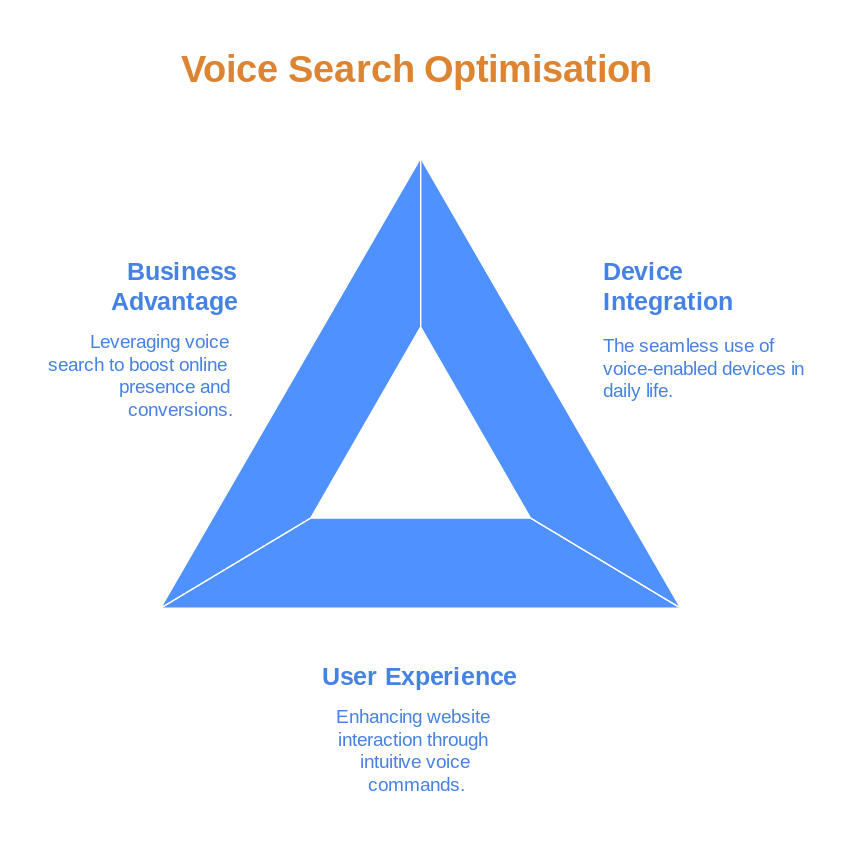
The rise of voice search has revolutionized how users interact with the web. With voice-enabled devices like Amazon Alexa, Google Assistant, and Apple’s Siri becoming household staples, optimising your website for voice search is no longer optional—it’s essential. As a small business owner, staying ahead of this trend will not only enhance your online presence but also improve user experience and drive conversions.
Optimising Your Website for Voice Search
Creating Voice Search-Friendly Content
Voice search queries differ significantly from traditional text-based searches. Here are the key strategies for crafting content that aligns with voice search patterns:
- Use Natural Language: Write in a conversational tone, mirroring how people naturally speak. Avoid technical jargon and focus on simplicity.
- Answer Questions Directly: Create concise answers (30 words or less) to frequently asked questions. This increases your chances of being featured in voice search snippets.
- Focus on Long-Tail Keywords: Incorporate longer, conversational phrases that match natural speech patterns.
“The future of search is voice, and businesses that adapt their content to natural language will dominate the results.” – Neil Patel, Digital Marketing Expert
Mobile Optimisation
Most voice searches are conducted on mobile devices, making mobile optimisation critical:
- Responsive Design: Ensure your website adjusts seamlessly to different screen sizes.
- Fast Loading Times: Aim for page load times under 3 seconds. Use tools like Google PageSpeed Insights to test your site’s performance.
- Easy Navigation: Design intuitive menus and touch-friendly controls for small screens.
- Readable Content: Use large fonts and high contrast for better readability on mobile devices.
Technical SEO for Voice Search
Page Speed Optimisation
Page speed is a critical ranking factor for both traditional and voice search. Here’s how to optimise:
- Use a CDN: Distribute content across multiple servers to reduce load times.
- Compress Images: Use tools like TinyPNG to reduce image sizes without compromising quality.
- Minify Code: Streamline CSS, JavaScript, and HTML files to improve loading speed.
Schema Markup
Implementing schema markup is crucial for helping search engines understand your content. Use structured data to provide additional context, such as:
- Business hours
- Contact information
- Product details
Tools like Schema.org can help you implement this effectively.
Advanced Strategies for Voice Search Optimisation
Targeting Local and Hyperlocal Search Queries
Voice search often involves local intent, such as “restaurants near me” or “plumbers in [city].” To capture these queries:
- Optimise your Google Business Profile with accurate and up-to-date information.
- Ensure your business is listed on platforms like Bing Places and Apple Maps.
- Incorporate location-specific keywords into your content.
Enhancing Online Authority
Search engines prioritize authoritative sources. Strengthen your online presence by:
- Maintaining consistent NAP (Name, Address, Phone) information across all directories.
- Building backlinks from reputable websites.
- Engaging with customers on social media platforms.
Voice Search Across Different Devices
Voice search isn’t limited to smartphones. Optimise your site for other devices, including:
- Smart Speakers: Devices like Amazon Echo and Google Nest.
- Wearables: Smartwatches and fitness trackers.
- IoT Devices: Cars, smart TVs, and home appliances.
Ensure your content is concise and formatted for quick, audible responses.
Tools for Voice Search Optimisation
Leverage these tools to streamline your optimisation efforts:
- Simply Be Found: Optimise your local business listings.
- Google’s Mobile-Friendly Test: Check your site’s mobile compatibility.
- BrowserStack: Test your site across different devices and browsers.
Conclusion
Voice search is transforming the digital landscape, and adapting your website to this trend is crucial for staying competitive. By creating conversational content, optimising for mobile, implementing technical SEO strategies, and targeting local queries, you can position your business for success in the audio revolution.
Ready to take your website to the next level? Start implementing these strategies today and stay ahead of the curve. For more tips on improving your online presence, check out our SEO strategies for small businesses.